An adult learner comparing a short CNA class, an LPN tuition quote, and a job posting that says “registry required” should start with state rules. The fastest option is not always the one that legally leads to work where the learner plans to practice.
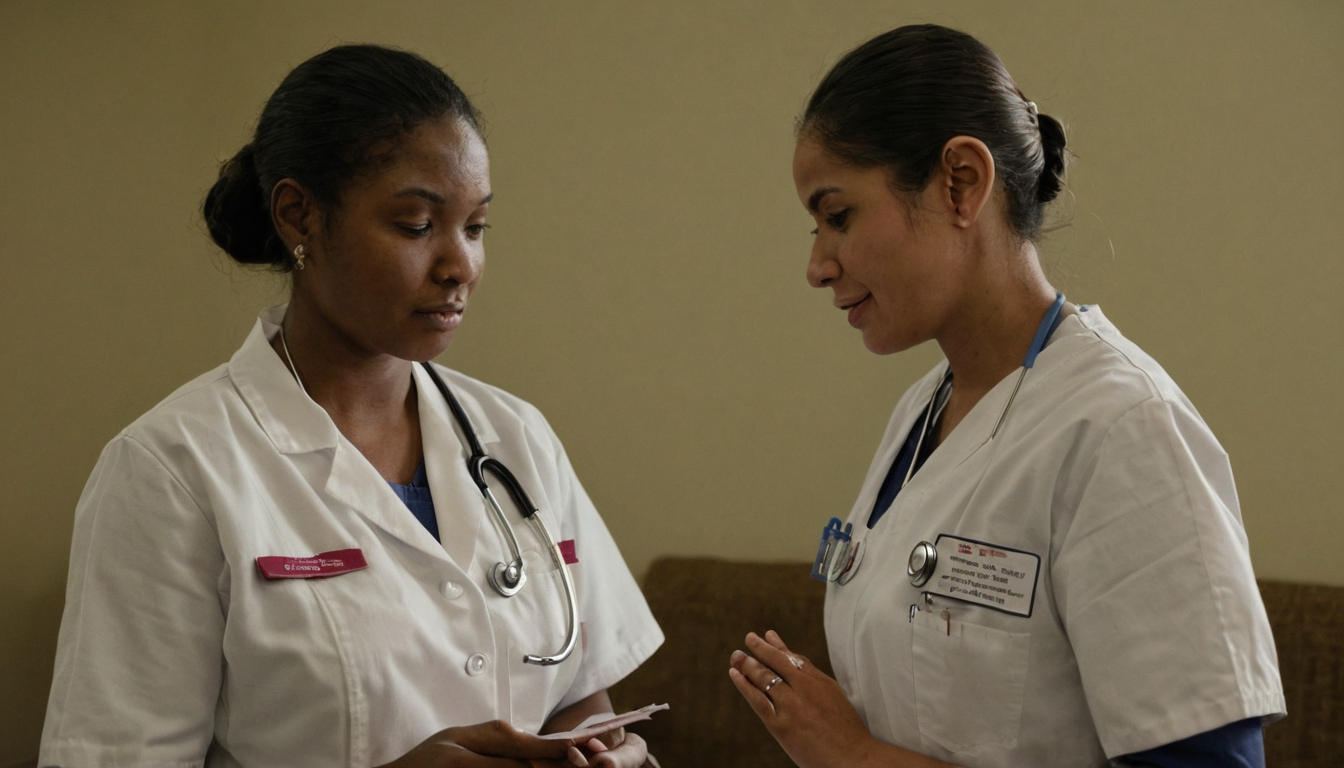
CNA or LPN First: How Entry-Level Nursing Routes Affect Cost, Time, and Next Steps shown with practical context cues.
For adult learners in 2026, CNA first is usually the fastest work-entry route, while LPN first is a longer licensure route
CNA first usually means a shorter path to supervised direct-care work. Missouri Baptist University describes CNA training as often lasting four to 12 weeks, followed by a state certification exam for employment eligibility. LPN first means completing a state-approved practical nursing program, clinical requirements, and licensure steps before working as an LPN.
CNA and LPN are different credential routes. CNA coursework does not automatically replace LPN coursework, and state rules decide the practical answer. Illinois allows a current Illinois RN or LPN in good standing to work as a CNA without registry listing, while out-of-state or inactive nurses must meet registry requirements first. California has separate vocational nurse routes, including approved-school, out-of-state, experience, and military medical corps routes.

For adult learners in 2026, CNA first is usually the fastest work-entry route, while LPN first is a longer licensure route shown as an editorial planning reference.
What does a CNA training program require before you can work in a specific state?
A CNA program leads to work eligibility only if the program, exam, and registry steps match the nursing assistant rules in the state where the student plans to work. Before paying a deposit, search the state nursing assistant registry, health department, or board of nursing page. Iowa says CNA course plans taught in Iowa must be approved by the Department of Inspections, Appeals, and Licensing, and Iowa certifies nurse aides rather than licensing them through DIAL itself Iowa DIAL.
| Verification item | What to confirm |
|---|---|
| Program approval | The provider appears on state-approved guidance. |
| Hours and clinical practice | Iowa requires 75 hours, including 30 clinical hours. |
| Exam route | The state identifies written and skills testing, fees, and retest limits. |
| Registry status | The student knows when employment eligibility begins. |
Class completion is not the same as being employable. Iowa places candidates on the Direct Care Worker Registry after the 75-hour course and both competency tests, and active long-term care status depends on qualifying work in a two-year period and annual in-service training. Florida says a CNA applicant who fails the competency examination three times is not eligible for reexamination unless the applicant completes an approved training program Florida Board of Nursing. Illinois says CNA certification is lost after 24 consecutive months without paid nursing or nursing-related services Illinois Department of Public Health. Budget for tuition, books, scrubs, checks, immunizations, transportation, testing, and missed work.

What does a CNA training program require before you can work in a specific state shown as an editorial planning reference.
What do LPN programs require before practical nursing licensure in a specific state?
LPN programs are a licensure route, not a longer CNA class. Confirm that the school appears on the state board’s approved practical or vocational nursing program list. California states that graduates qualify through successful completion of a California-approved vocational nursing program, and out-of-state graduates must have attended a school approved by the nursing board where the school is located California Board of Vocational Nursing and Psychiatric Technicians.
An advertised “12-month” or “18-month” program may start after admission, not when the learner begins prerequisites. Catalogs may require a diploma or GED, placement testing, science or math prerequisites, GPA minimums, CPR, background checks, drug screening, immunizations, and clinical availability. Florida practical nursing programs must include theory and clinical application across areas such as nutrition, pharmacology, medication administration, body structure and function, mental health concepts, and legal aspects of practice Florida Board of Nursing. Graduation still does not equal legal permission to work as an LPN; board eligibility and NCLEX-PN results matter.
How do CNA and LPN first routes compare on cost, time, and work eligibility?
The useful comparison counts total cost, unpaid time, testing risk, and the date when paid work becomes legal. CNA first usually favors faster cash flow. LPN first favors a longer route to a licensed nursing role.
| Route | Time and cost pattern | Work eligibility and next step |
|---|---|---|
| CNA first | Often weeks or a few months. Costs are usually lower, but testing, supplies, transportation, and missed work still matter. | Work begins only after required training, testing, and registry or certification steps. Experience may help later applications but may not shorten LPN coursework. |
| LPN first | Often about 12 to 18 months in program comparisons, with higher up-front cost. | Work as an LPN begins only after approved education, board eligibility, and licensure. It may support later LPN-to-RN planning if bridge programs accept the license and prerequisites. |
When does starting as a CNA before an LPN program make practical sense?
CNA first can make sense when the learner needs earlier patient-care income, wants to test bedside work before a larger tuition commitment, or needs healthcare experience for later applications. It may also help if an employer’s written tuition policy supports later LPN costs. The risk is assuming CNA experience equals LPN admission credit. Many LPN programs treat CNA work as helpful experience, not a substitute for prerequisites, entrance testing, clinical clearance, or seat selection rules.
When should an adult learner skip CNA and apply directly to LPN programs?
Applying directly to LPN programs can be better when the learner already has prerequisites, funding, schedule flexibility, and confidence to pursue licensure without a trial step. LPN first fits someone who can stay in a current job, reduce hours, or cover living costs during coursework and clinical rotations. It may also fit an RN plan if nearby bridge programs accept LPN licensure, prerequisites, GPA standards, entrance testing, and clinical eligibility. Higher-cost programs need extra review if approval status, clinical placement responsibility, refund terms, financing terms, completion rates, or NCLEX-PN outcomes are unclear.
How should a learner verify CNA-to-LPN or RN next steps before enrolling?
Before choosing CNA first, LPN first, or a later RN bridge, get next-step rules in writing. Ask each program whether CNA is required, preferred, credited, or irrelevant. Ask whether CNA work adds points, whether CNA training reduces tuition or clinical hours, and whether LPN licensure qualifies for advanced placement. Request the catalog page, policy email, or written transfer evaluation.
Claims such as “free CNA-to-LPN bridge,” “online LPN program,” “fast track,” or “guaranteed placement” need proof. Ask which courses are online, which labs or clinical rotations meet in person, which agency funds the seat, and what repayment or work obligation applies.
- Check state approval or registry status.
- Compare total cost, fees, supplies, transportation, and missed work.
- Confirm the first legal work-eligibility date.
- Match clinical schedules with job, childcare, and transportation.
- Save written confirmations before signing.
FAQ
Is it better to start as a CNA or LPN if I need to work quickly?
CNA first is usually faster, but only after state-required training, exam, and registry or certification steps.
Do you have to be a CNA before applying to an LPN program?
Not always. Some programs require CNA status, some prefer it, some award admissions points, and some do not use it. Ask for the written policy.
How many months does it usually take to go from CNA training to an LPN program?
CNA training may take weeks, but LPN admission may add months if prerequisites, deadlines, or clinical availability are pending.

How should a learner verify CNA-to-LPN or RN next steps before enrolling shown with practical context cues.
What is the first step to becoming an RN after working as a CNA?
Compare RN and LPN-to-RN admission requirements at local schools, including prerequisites, GPA rules, entrance tests, and clinical eligibility.
Are free or online CNA-to-LPN bridge programs legitimate?
Some funding or online coursework may be legitimate, but clinical training and licensure rules still apply. Verify approval, in-person clinical requirements, funding terms, and repayment obligations before enrolling.